

PLA/PETG Support Interfaces: Cleaner Supports with Toolchangers & Multi-Material
Use PLA and PETG as low-adhesion support interfaces, with practical slicer settings, purge considerations and toolchanger-specific advice.
Read guide →In-depth, practical guides for modern 3D printing — from filament and slicers to troubleshooting, Klipper and 3D scanning.
Sorted by latest updates. Guides are reviewed when software, materials or workflows change.
Use PLA and PETG as low-adhesion support interfaces, with practical slicer settings, purge considerations and toolchanger-specific advice.
Read guide →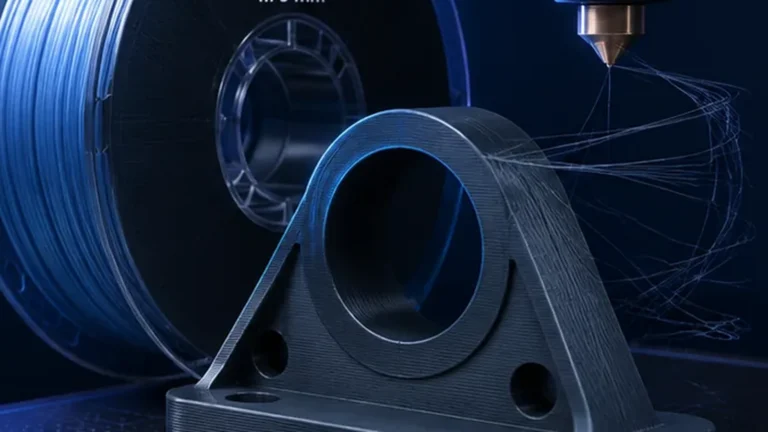
Tune PETG systematically: moisture, temperature, build plate, cooling, flow, Pressure Advance, MVS and stringing without chasing random settings.
Read guide →
Matte PLA and PETG can hide layer lines beautifully, but the finish comes from formulation changes that can also affect strength, flow and print settings.
Read guide →
Calibrate filament in OrcaSlicer in a structured order: temperature, Max Volumetric Speed, Pressure Advance, Flow Ratio, retraction and tolerance, with practical interpretation and common mistakes.
Read guide →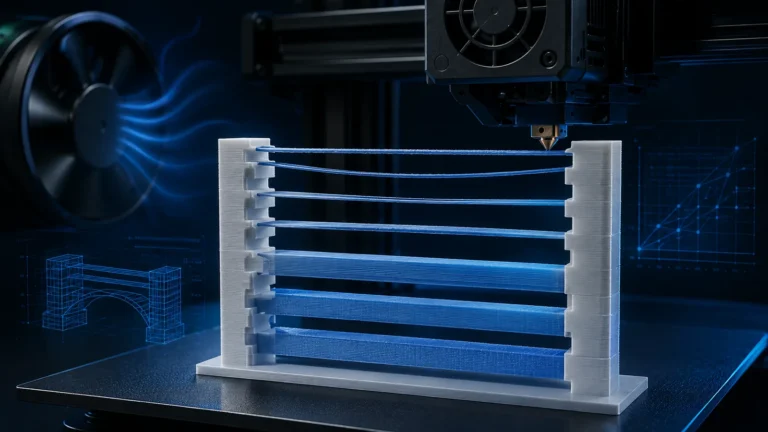
Improve bridging in 3D printing with a systematic OrcaSlicer workflow: Thick Bridges, Bridge Flow, Density, Line Width, speed, cooling and internal bridges explained.
Read guide →
Can 3D printing be too slow? Learn why slower speed can hurt top surfaces, small parts, bridges and PLA/PETG quality instead of improving it.
Read guide →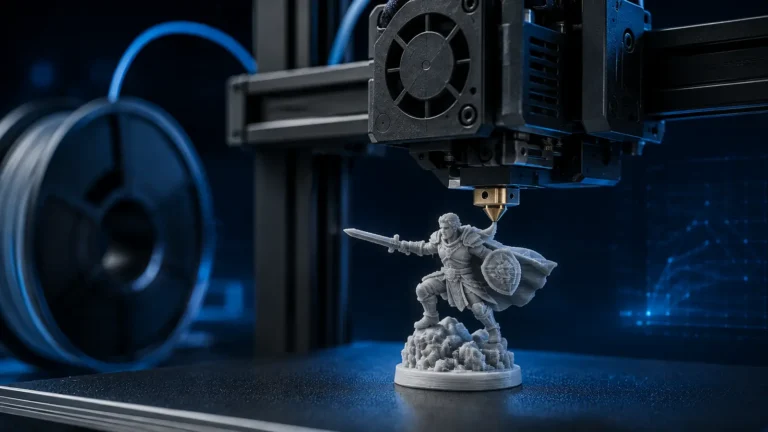
Printing miniatures with FDM: learn when a 0.2 mm nozzle is worth it, which settings make sense, and where the practical limits compared with resin still are.
Read guide →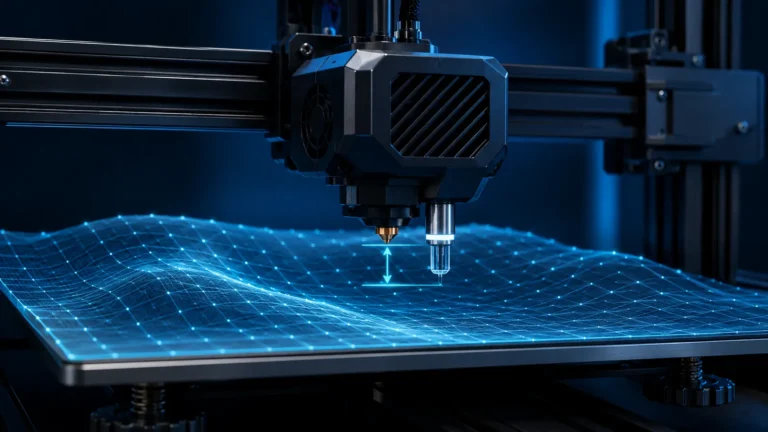
ABL, Bed Mesh and Z Offset explained: what each one actually does, why a perfect mesh cannot fix a wrong Z Offset, and how to diagnose first-layer…
Read guide →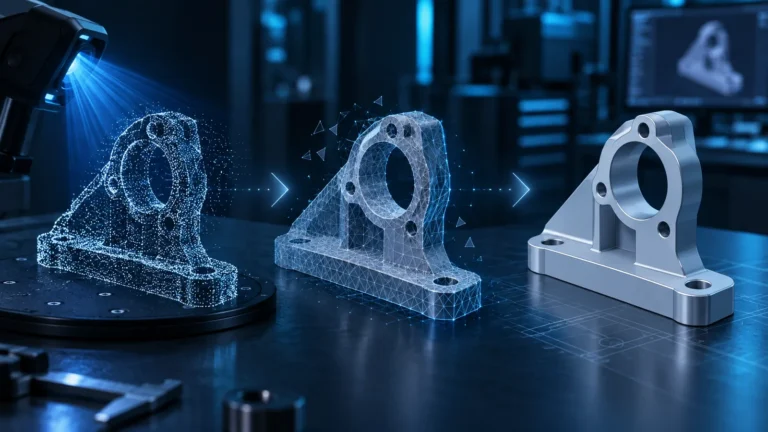
3D scan to CAD done properly: why Mesh-to-Solid is not automatically clean CAD and how to reconstruct a scan into an editable STEP model.
Read guide →
Ironing can make flat top surfaces dramatically smoother, but only when flow, line spacing, speed, inset, angle and the underlying top surface work together. This guide builds…
Read guide →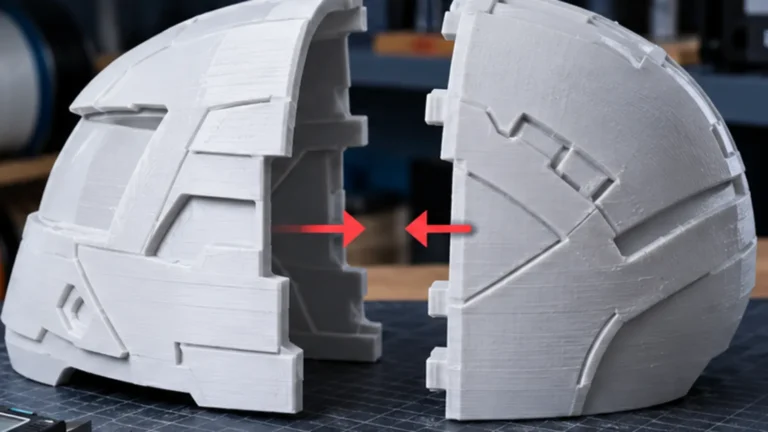
Parts fit in the slicer but not after printing? Diagnose elephant foot, flow, shrinkage, warping and tolerance problems in helmets and other split models.
Read guide →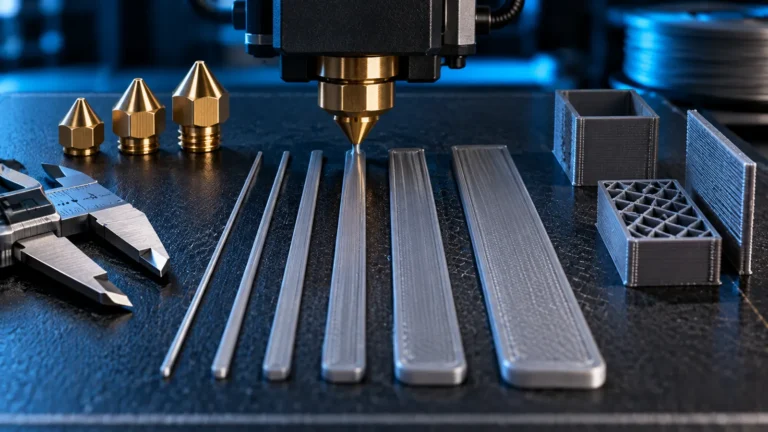
Line width vs. nozzle diameter explained: useful widths for a 0.4 mm nozzle, when wider extrusion helps, and where flow, detail and surface quality set the limits.
Read guide →